Langkawi's crystalline seas have drawn curious eyes beneath the surface for centuries, shaped by ancient Malay fishing culture and a UNESCO-recognized marine ecosystem unlike any other. Today, the Jewel of Kedah stands as one of Southeast Asia's premier snorkeling destinations, where history and biodiversity converge in spectacular fashion.
Long before recreational snorkeling existed as a concept, the indigenous communities of Langkawi — the Orang Asli and early Malay fishing clans — developed an intimate relationship with the island's surrounding seas. Archaeological evidence from Gua Cherita, a cave on the island's northeastern coast bearing ancient inscriptions, suggests human habitation dating back over 5,000 years. These early settlers depended entirely on the Andaman Sea for sustenance, diving beneath its warm waters to harvest sea cucumbers, mollusks, and reef fish using rudimentary breath-hold techniques. Their profound knowledge of tidal patterns, reef structures, and marine behavior formed the foundational understanding of Langkawi's underwater world that would eventually guide modern snorkelers.
During the 15th and 16th centuries, Langkawi occupied a strategic position along the ancient maritime Silk Road, with Arab, Indian, and Chinese traders passing through the Malacca Strait. Local fishermen in this era refined their free-diving techniques to collect highly prized sea produce for trade, including sea cucumbers and pearl-bearing oysters. Traditional wooden perahu boats carried divers to reef systems surrounding islands like Pulau Payar, Pulau Singa Besar, and the Dayang Bunting archipelago. These men developed extraordinary breath-hold capabilities, reportedly remaining submerged for over two minutes — a testament to the generational knowledge passed down through Langkawi's coastal communities. Their intimate cartography of the reef systems would later prove invaluable to modern marine researchers.
Langkawi's extraordinary snorkeling environment is fundamentally shaped by its geological identity. The archipelago of 99 islands sits atop a Cambrian geological formation estimated to be 550 million years old — among the oldest exposed rock formations in Southeast Asia. This ancient bedrock created dramatic underwater topography, including limestone sea caves, submerged caverns, and structured reef platforms that became the foundation for rich coral ecosystems. The meeting point of the Andaman Sea and the Malacca Strait creates unique nutrient-rich upwelling currents that sustain exceptional biodiversity. This geology earned Langkawi its designation as a UNESCO Global Geopark in 2007, the first in Southeast Asia, formally recognizing what local communities had always known about these exceptional waters.
Malay folklore and mythology have long personified Langkawi's marine environment with spiritual significance. The legend of Mahsuri, the island's most celebrated folk heroine who was unjustly executed in the early 19th century, cast a supposed seven-generation curse over Langkawi — yet the sea was always considered a sacred realm exempt from earthly misfortune. Local communities performed ritual offerings before fishing expeditions, acknowledging the ocean as a living spiritual entity. Specific reef areas were treated as sanctuaries where fishing was prohibited by community law, creating what were essentially early marine protected areas long before formal conservation legislation existed. These traditional stewardship practices inadvertently preserved the reef ecosystems that today's snorkelers enjoy.
The ecological richness of Langkawi's waters is extraordinary by any global standard. The surrounding seas host over 1,500 species of marine life, including hawksbill and green sea turtles, blacktip reef sharks, whale sharks during seasonal migrations, moray eels, lionfish, and vast schools of fusiliers and parrotfish. The coral gardens around Pulau Payar — which would later become the centerpiece of marine tourism — feature both hard and soft coral formations including brain corals, staghorn corals, and sea fans. Mangrove systems along Langkawi's eastern coast serve as nurseries for juvenile marine species, creating a complete ecological chain that makes these waters exceptionally productive and visually spectacular for underwater exploration.
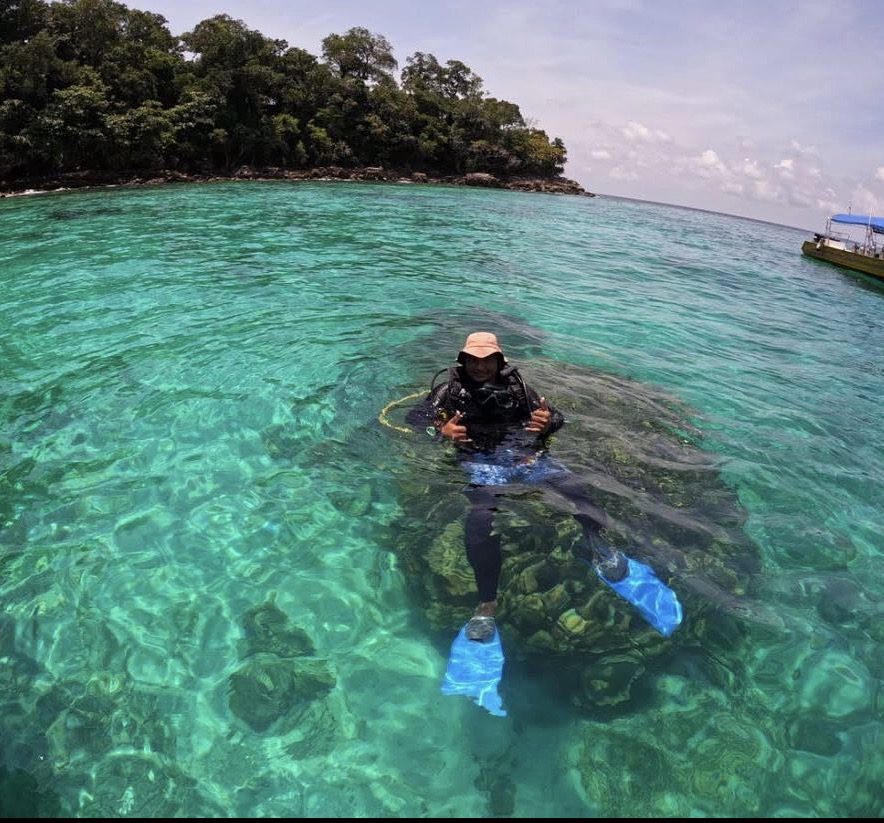
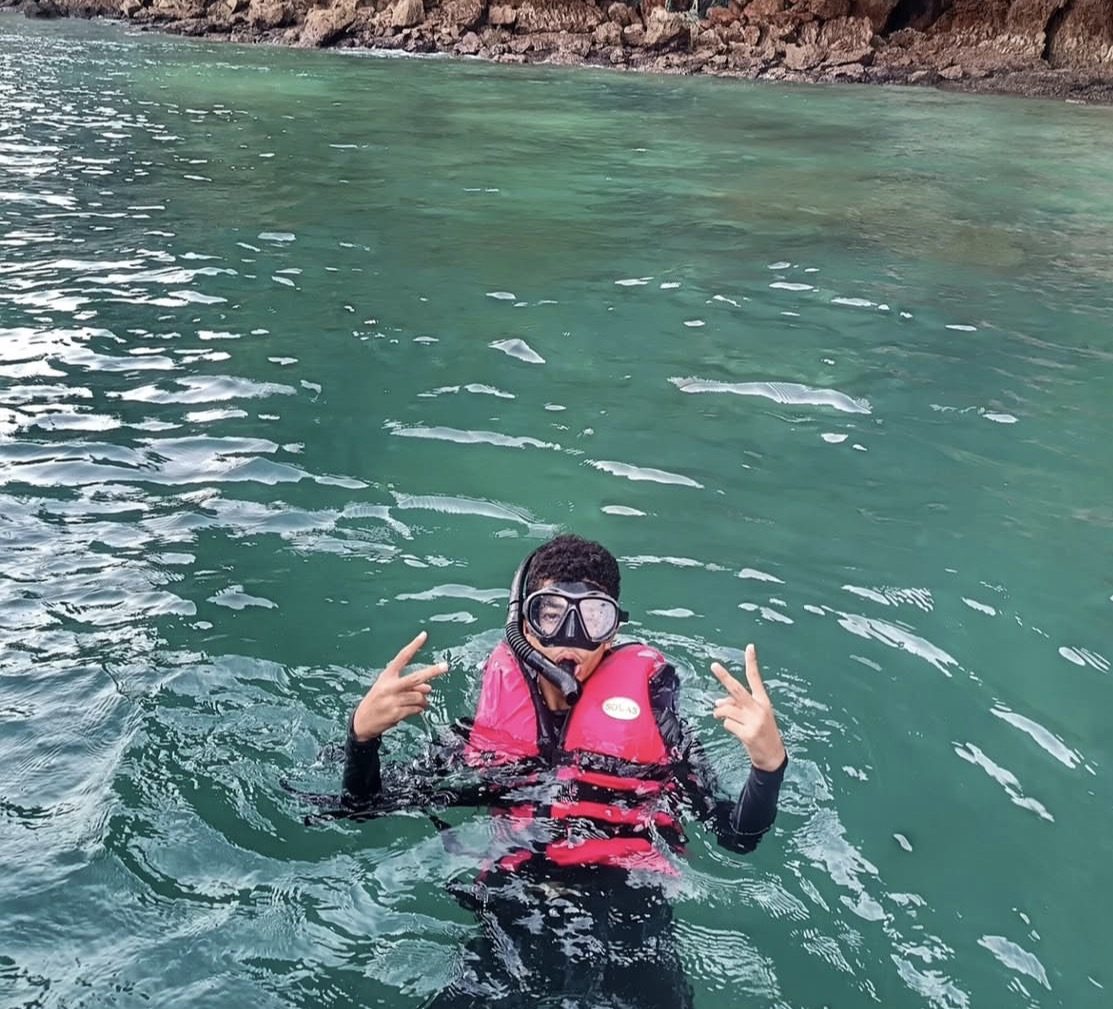
The formal transformation of Langkawi into a recreational snorkeling destination began in earnest in 1985 when Pulau Payar Marine Park — located approximately 30 kilometers south of Langkawi — was officially gazetted under Malaysian law as a protected marine area. Covering roughly 12 square kilometers across four islands, Pulau Payar, Pulau Kaca, Pulau Lembu, and Pulau Segantang, it became Peninsular Malaysia's first and only marine park. This landmark conservation act marked the beginning of organized marine tourism in the region and drew the first wave of dedicated snorkeling visitors who recognized the extraordinary clarity of these waters and the untouched quality of the coral gardens flourishing within the protected boundaries.
A pivotal turning point for Langkawi's tourism industry — and consequently its snorkeling scene — arrived in 1987 when Prime Minister Mahathir Mohamad declared Langkawi a duty-free island to stimulate economic development. This policy transformed Langkawi almost overnight from a quiet backwater into a regional tourism powerhouse. International visitor numbers surged throughout the late 1980s and 1990s, and tour operators began organizing structured snorkeling excursions in earnest. The opening of Langkawi International Airport to direct international flights in 1992 accelerated this growth dramatically. By the mid-1990s, island-hopping snorkeling tours — visiting sites like Pulau Beras Basah, Pulau Dayang Bunting, and the Coral Garden at Pulau Payar — had become the most popular tourism activity on the island.
The early 2000s saw a professionalization of Langkawi's snorkeling industry with the introduction of licensed marine guides, standardized safety equipment, and formal operator regulations under the Malaysia Tourism Authority. The Langkawi Development Authority, known as LADA, played a crucial role in balancing tourism growth with conservation imperatives, implementing visitor caps at sensitive reef sites and establishing codes of conduct for snorkeling operators. Environmental awareness campaigns educated tourists about avoiding coral contact and responsible marine interactions. The 2007 UNESCO Geopark designation provided an additional global platform that attracted eco-conscious travelers specifically interested in Langkawi's marine and geological heritage, elevating the quality and sustainability of the snorkeling tourism sector considerably.
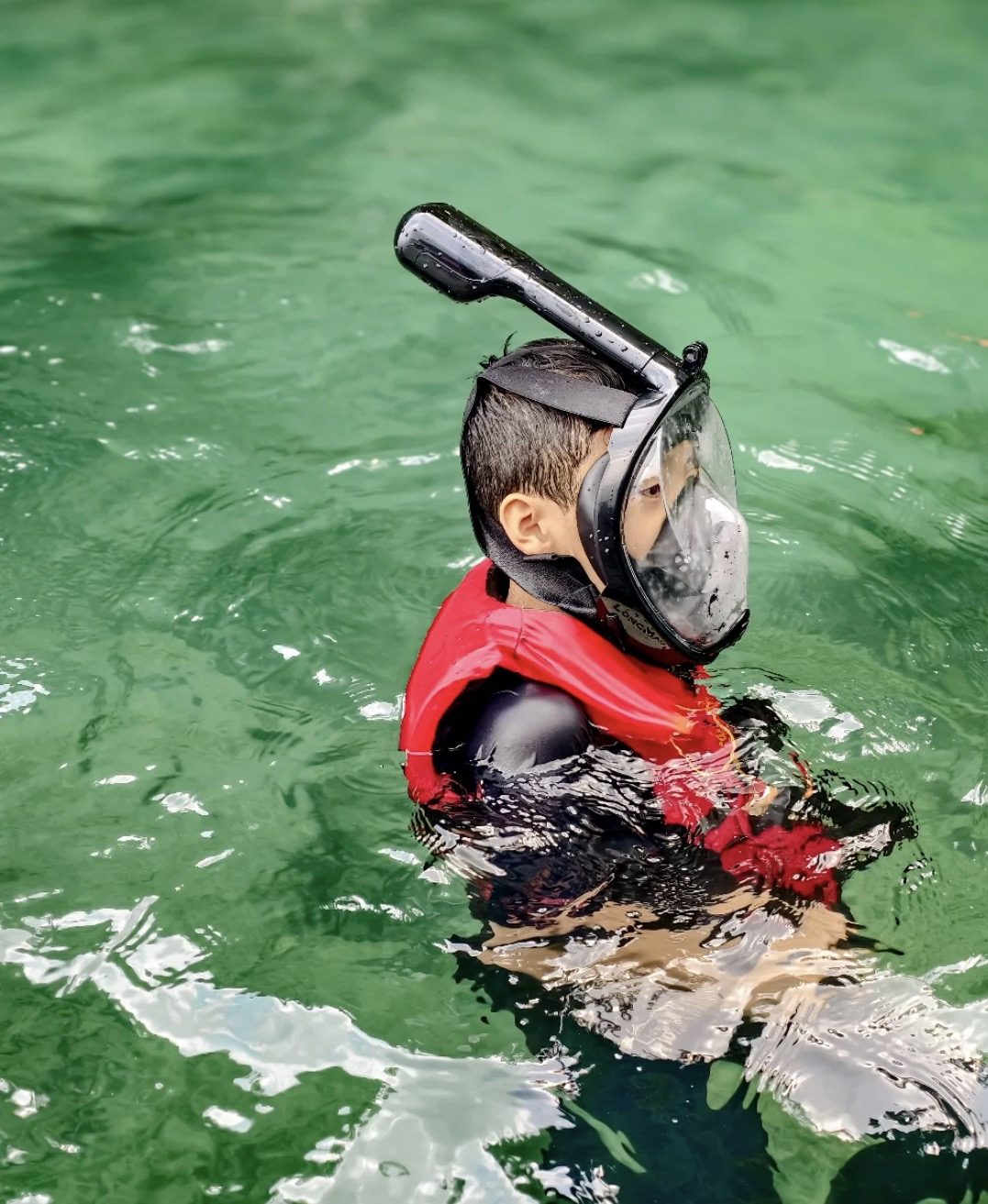
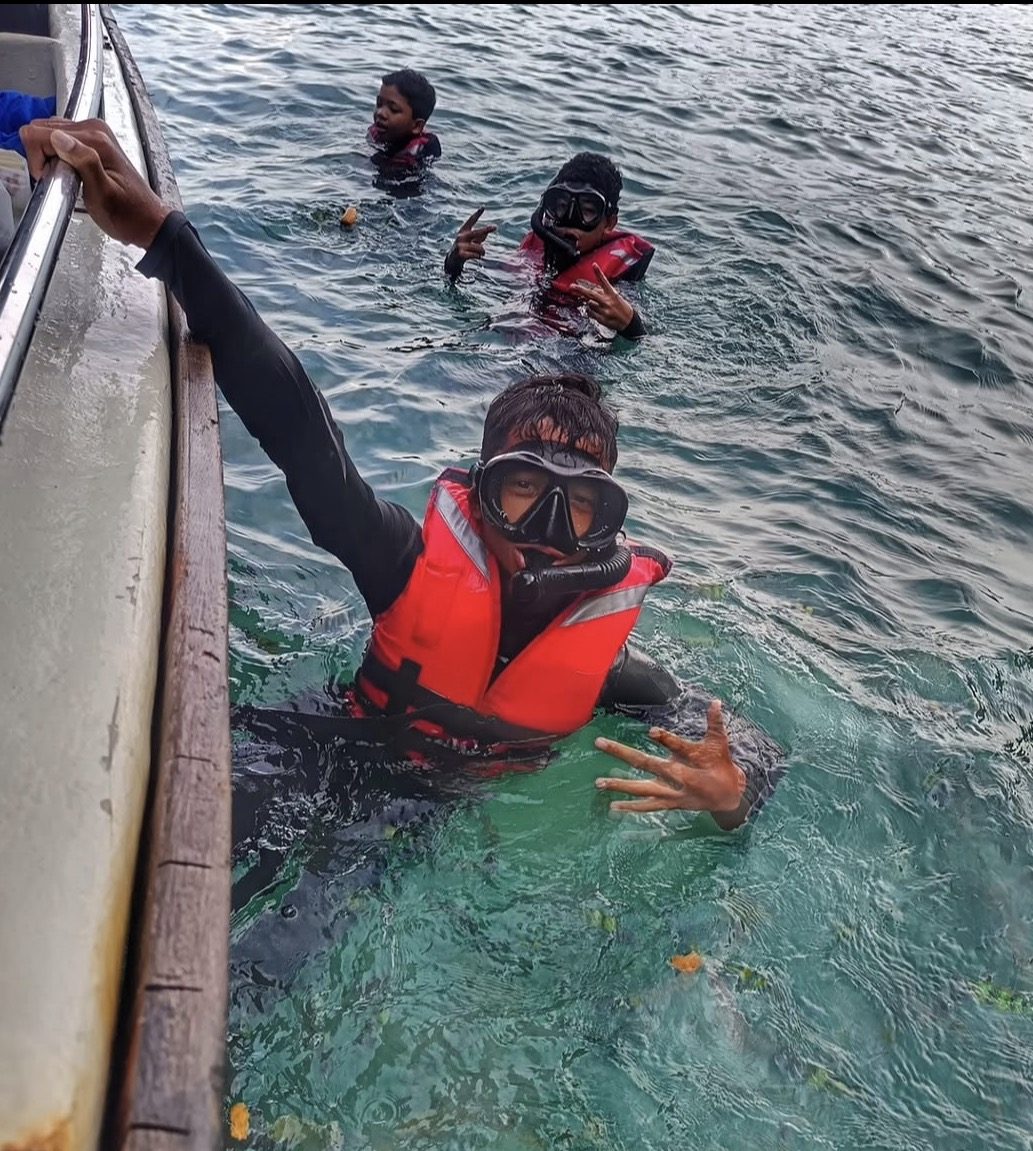
Today, snorkeling in Langkawi represents one of Malaysia's most celebrated aquatic experiences, drawing over three million visitors annually to the island. Modern snorkeling excursions depart daily from Telaga Harbour, Pantai Cenang, and Kuah Jetty, with trips ranging from half-day island-hopping adventures to specialized reef ecology tours guided by certified marine naturalists. Pulau Payar Marine Park remains the crown jewel, where a floating platform provides facilities for snorkelers to explore the adjacent coral garden, frequently encountering nurse sharks, eagle rays, and kaleidoscopic reef fish in water with visibility exceeding 15 meters on clear days. Seasonal whale shark sightings between April and June add extraordinary excitement for lucky visitors.
The layers of history embedded in every Langkawi snorkeling experience are remarkable — from the ancient breath-hold divers who first mapped these reefs to the conservation visionaries who protected them for future generations. Whether you drift above the staghorn corals of Pulau Payar, spot sea turtles near Pulau Singa Besar, or explore the mangrove-fringed shallows of the Kilim Karst Geoforest Park, you are participating in a tradition of wonder that stretches back millennia. Langkawi's waters are not merely a snorkeling destination — they are a living, breathing archive of natural and human history, waiting to be read one mask-and-fin adventure at a time. Come, dive in, and add your chapter to this extraordinary story.
Ready to Experience It Yourself?
Thousands of snorkelers discover Langkawi's legendary reefs every year — and your perfect underwater adventure is just one click away. Browse our curated selection of top-rated snorkeling tours, from Pulau Payar Marine Park day trips to private island-hopping experiences tailored to every skill level. Secure your spot today and experience firsthand the living marine heritage that has captivated explorers, fishermen, and travelers for over five thousand years.
Book Your Tour Now